The weekend is closer than it feels
2 November 2026, 4 min read
By the end of October I was busy all the time and somehow losing touch with all of it. Classes, work, the study platform I run, a course project that turned into a full game. Each one felt like the main thing. I kept waking up a little later each week, and a late start costs me the whole day.
On the last weekend of the month my team at work took us camping in Beni Mtir, a village in the Kroumirie mountains in the northwest of Tunisia, beside the lake that holds part of Tunis's drinking water. One night in a tent, and nothing to answer for two days.
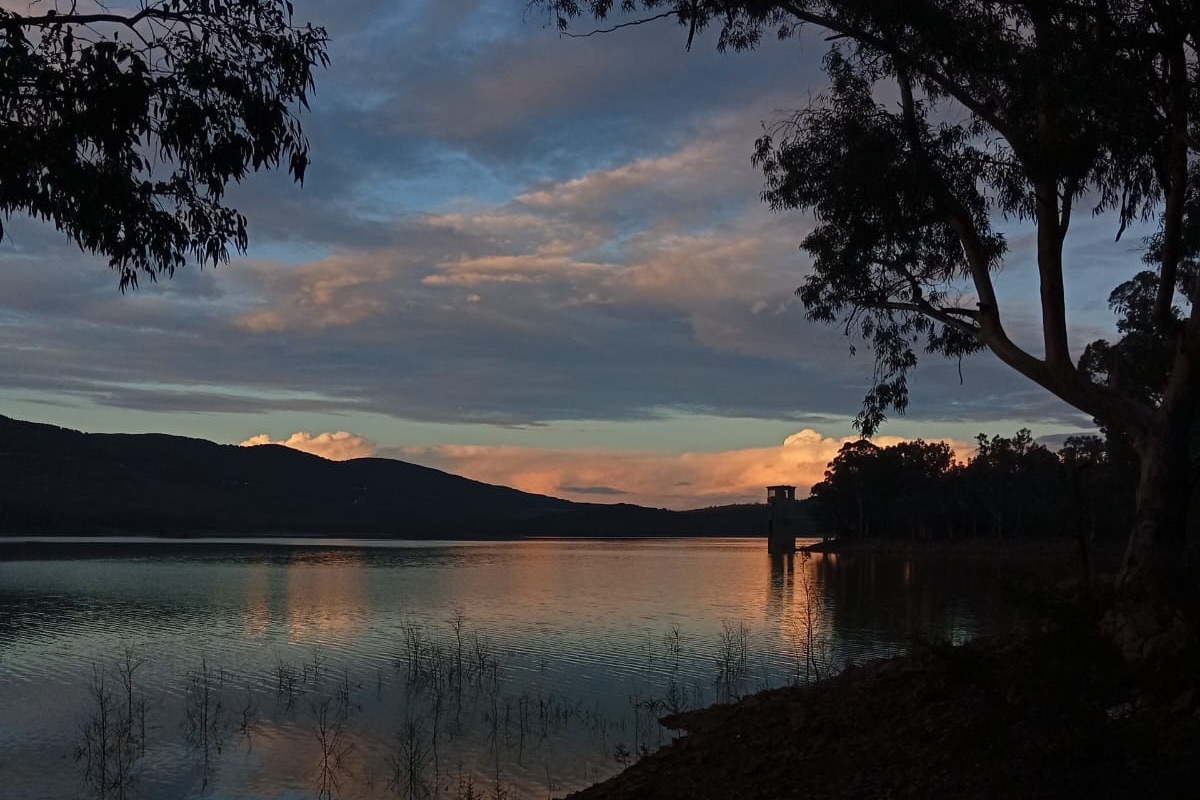
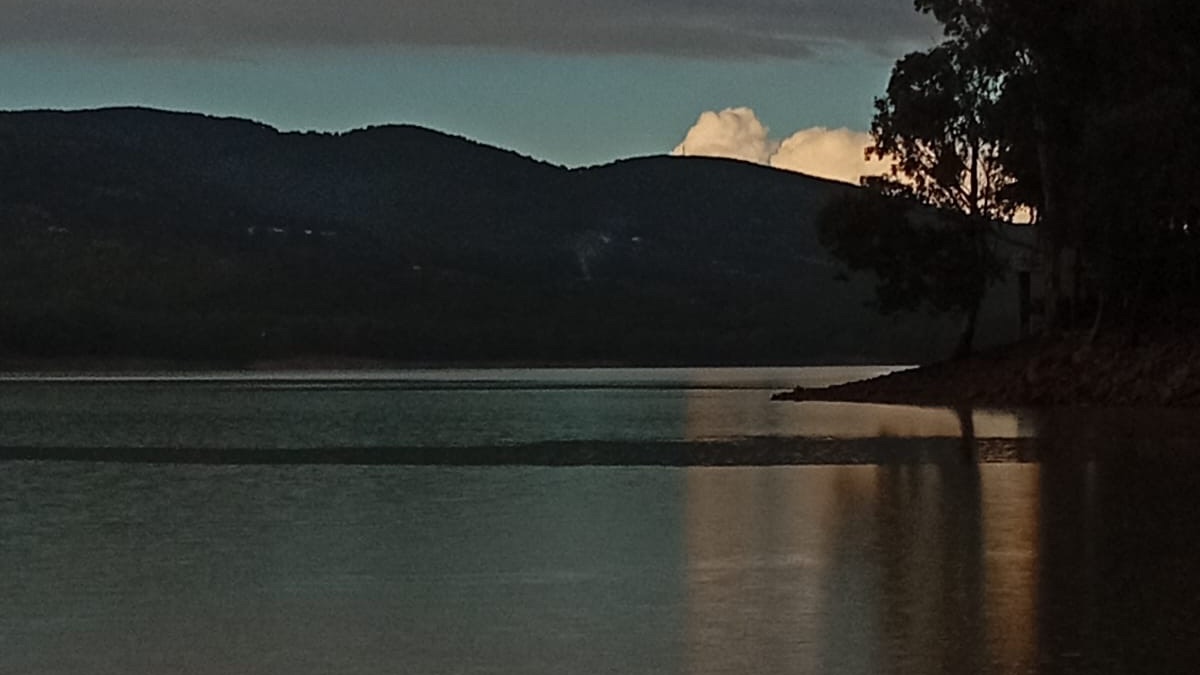
It had been raining, and it kept on lightly into the evening. The clouds over us were grey, but the ones far behind the mountains were lit up almost white, and the lake held their colour and changed with them, minute by minute, as the sun went down. Nobody said much. We watched.
I've wondered since why that hour did so much. The psychologists Rachel and Stephen Kaplan have a name for what clouds, water and moving leaves do to you: soft fascination. They hold your attention without asking for any effort, so the part of your mind that spends all day forcing focus finally gets to stop. A street does the opposite. Every sign, notification and horn pulls at you and needs a decision, however small. Most of my days are built out of the second kind.
There was phone signal the whole time, which I hadn't expected. I could have spent the evening scrolling, and I mostly didn't, because there was something better in front of me. The phone became a camera.
I used the space for something I'd been meaning to practise. I'm an introvert, and starting a conversation with someone I barely know has always cost me something. That night I made a point of doing it anyway, and it came easier than it does in the city. People talk differently when nobody has somewhere else to be. Almost everyone described the weekend the same way: an escape from their daily life. One of them goes camping every two weeks, with their own gear, as a habit rather than an event. I keep thinking about that word, escape. When so many of us describe our ordinary week as something to get away from, it raises a question I keep coming back to about the ordinary week.
The night was the coldest part. The ground was still wet from the rain and nobody slept well, but I was tired enough to sleep anyway. In the morning we hiked for hours, and some of the people keeping pace were twice my age. A Stanford study from 2015 compared people who walked for ninety minutes through grassland and trees with people who walked the same time beside heavy traffic. Only the first group came back less caught in rumination, the loop of replaying the same worries. I didn't need the brain scans. For a few hours on that trail, I didn't replay anything.
The sleep part I only understood later. In 2013, a sleep researcher at the University of Colorado, Kenneth Wright, sent people camping for a week with no artificial light. Their body clocks moved about two hours earlier, and the hormone that makes you sleepy started rising around sunset. In a follow-up, a single weekend outdoors gave most of that shift. Screens and indoor light keep telling the body it is still daytime, so it keeps pushing night back. That was my October, one week at a time. A day of real light followed by a properly dark night is the signal it had been missing. The catch is that the shift only lasts if you keep a regular wake time afterwards, so the weekend shows you where your body wants to be, and the days after decide whether it stays there.
The weekend reminded me of a side quest in Cyberpunk 2077, where a monk in the middle of the city leads you into meditation with a braindance plugged straight into your head. In that future, stillness is something you plug in. Ours is still real, and it was a few hours' drive from Tunis the whole time I was waking up later and later.
Getting home took a while. It was still raining and I couldn't find a taxi. The backlog was waiting, and it took one evening, because nothing I owe lives only in my head. It is all written down in one place, which is why I could leave without worrying about what I'd forget. That turned out to matter more than I expected: you can only really leave if your work can wait without you holding it.
If your month looked like mine, the weekend is closer than it feels. Put one night outside on the calendar before the month fills up, not after the backlog is cleared, because it never is. Take your phone as a camera. Talk to someone you don't know well. And when you get back, guard your wake time for a week, so the reset has a chance to stay.